GROW Your Food & Drink Business with Impact Training
Design a business that gives YOU the life you want to live with
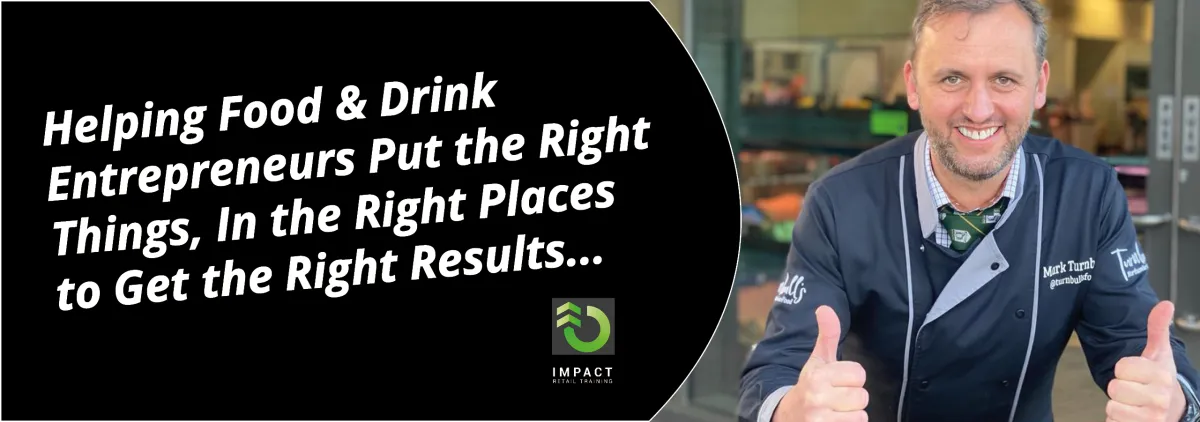
Food & Drink Business Expert Mark Turnbull

Live Retail Training for Butchers & Farm Shops - 7th April 2026, 7pm-8pm
If trade feels inconsistent - busy one week, quiet the next - you’re not alone.
Join my upcoming live online session where I’ll walk you through the 4-step marketing system I use and teach to help food retail owners generate more footfall, higher basket spend, and more predictable trade.
This session is designed specifically for owners who want a structured approach to marketing - not more random posts, discounts, or guesswork. Everything I’ll share comes from real-world experience inside a working food retail business, and from mentoring butchers and farm shop owners across the UK.
Impact works to educate, motivate and inspire independent retailers!
Impact Retail Training works to educate, motivate and inspire Food & Drink Entrepreneurs just like you, taking you on the journey from a Wannabe to Professional Business Person.
In this video, Mark Turnbull discusses the Business Success Pyramid and how Impact Training can help grow your business!
Get FREE Weekly Nuggets to help build Your Food & Drink Business by subscribing to
our 'Nugget of the Week':
Take Your Food Retail Business to the Next Level with Impact's Range of Membership and Mentor Programs today...

The Impact Retail Success Club
The Impact Retail Success Club is a monthly group for growth-minded independent business owners who want to keep learning, stay motivated, and improve the quality of their thinking as they run their business.
It’s designed for owners who are serious about developing professionally and value being part of the right conversations, rather than trying to figure everything out on their own.
Members take part in regular online group sessions and have access to the Impact members’ area, which includes training videos, expert interviews, and a practical resource library to support ongoing development.
Entry to the Success Club is by application and invitation.
Membership is £50 + VAT per month.
The Impact Retail Mastermind Group
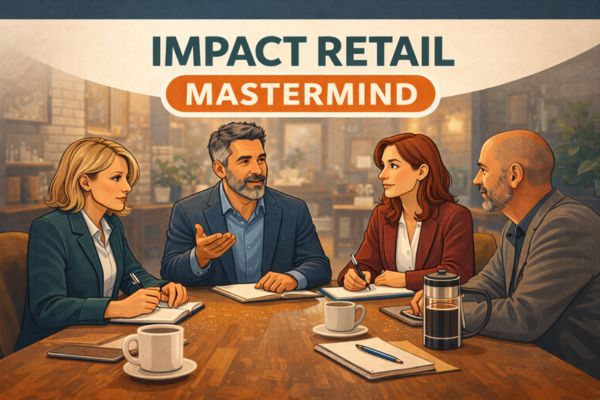
The Impact Retail Mastermind is a small, in-person Mastermind for established independent retail business owners who want clearer thinking, better decisions, and sustainable growth.
Hosted at Turnbull’s Food Hall, the group meets every other month from January to December, bringing together a maximum of five owners for full-day, peer-level conversations focused on what really drives long-term success — clarity, profitable growth, positioning, leadership, and accountability.
This is not coaching or training.
It’s a deliberate space to step out of the business and work on the business, alongside other serious operators.
The Mastermind runs on an ongoing basis, with an investment of £600 + VAT per month. Places are limited and offered selectively to ensure the quality of the room.
If you’d like to learn more about the Impact Retail Mastermind - and whether it might be right for you - click below to view full details.
Impact Retail
Business Growth Days
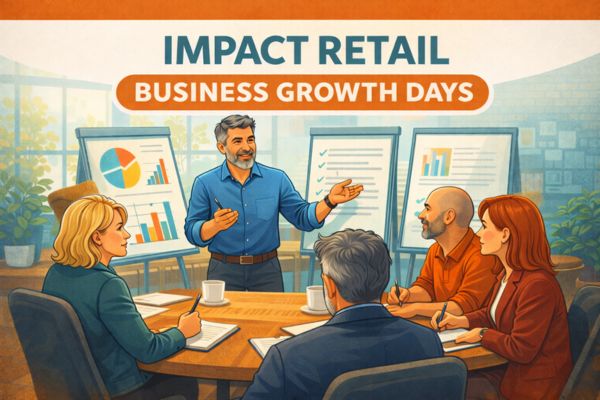
Business Growth Days are deliberately small, in-person strategic thinking days for independent business owners who understand that they are a critical part of their business’s brand and commercial success.
This is not a workshop or a sales training course. It’s a facilitated day designed to help you step back, think clearly about your role as the face of your business, and make better decisions about how your brand shows up — through you and through your team.
You’ll work on your business alongside a small group of like-minded owners, exploring how leadership, visibility, and simple sales behaviours shape customer experience and results.
The first Business Growth Day takes place on Tuesday 21st April, starting at 8.00am, hosted at the Turnbull's Foodhall in Alnwick, Northumberland.
Places are strictly limited to protect depth, focus, and quality conversation.
£499.00 + VAT
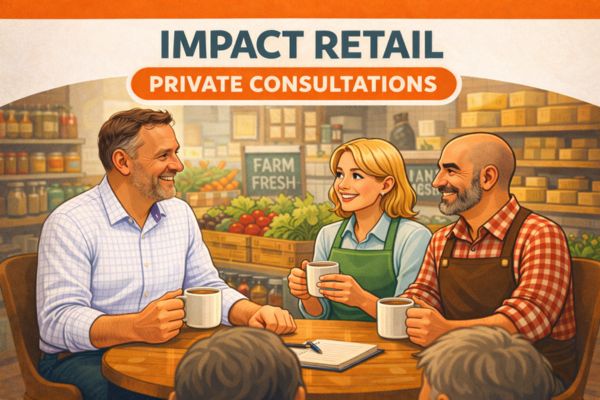
The Impact Retail
Private Consultations
Impact Retail Private Consultations are designed for independent retailers who want focused, practical support tailored entirely to their business, delivered on site and in context.
I spend the day working with you in your shop environment, not in a meeting room and not from a generic framework. This allows us to look honestly and constructively at how your business is performing day to day, and where the biggest opportunities for improvement really sit.
The consultation includes two 90-minute focused working sessions, shaped around what you want to achieve right now. This might include improving margins, strengthening your offer, refining your customer journey, clarifying your positioning, or making more confident strategic decisions as the business owner.
Alongside this, I carry out a full customer experience audit, reviewing your business through a customer’s eyes — from first impressions and flow, to product presentation, pricing signals, communication, and the small details that influence buying behaviour.
You’ll come away with clarity, direction, and practical next actions that fit your business, rather than a list of ideas that look good on paper but are hard to implement.
Private consultations are ideal for owners who value honest feedback, clear thinking, and measurable progress.
Investment: from £750 per day + VAT, plus reasonable travel expenses.
Availability is limited.

The Entrepreneurs Circle
Running an independent business can be rewarding - but it can also feel isolating when you’re making big decisions on your own.
That’s why I recommend Entrepreneurs Circle to retailers who want broader business support beyond the food sector. It’s one of the UK’s largest communities of established business owners, focused on practical marketing, strategy, and leadership - not hype or shortcuts.
Members gain access to proven frameworks, live training, peer support, and ongoing guidance to help them grow with confidence and clarity. It’s particularly valuable if you want exposure to ideas and thinking from outside retail, while still applying them in a grounded, practical way.
If you’re serious about developing as a business owner - not just working harder in your business - Entrepreneurs Circle is well worth exploring.
Find out more here by clicking below.
The WhizBang Retail Mastery System
Recommended Retail System: The Whizbang Retail Mastery System.
If you run an independent retail business and want a proven structure for improving performance, consistency, and profitability, the Whizbang Retail Mastery System is well worth exploring.
Whizbang has been developed specifically for independent retailers and focuses on the fundamentals that matter most day to day -merchandising, customer experience, retail disciplines, and getting the basics right consistently. It’s not about trends or tactics that change every five minutes, but about building strong retail habits that compound over time.
The system provides clear frameworks, practical tools, and structured guidance that help retailers think more clearly about how their shop works - from layout and displays to customer flow, conversion, and repeat visits. Many retailers find it especially useful when they want something more systematic than ad-hoc advice or one-off ideas.
I often recommend Whizbang to retailers who want an established retail-specific system they can dip into alongside other development work, or use as a reference point for improving standards and consistency in their business.
If you value practical thinking, clear retail logic, and learning from real-world retail experience, the Whizbang Retail Mastery System is a solid resource to investigate further.
Find out more about Whizbang by clicking below...
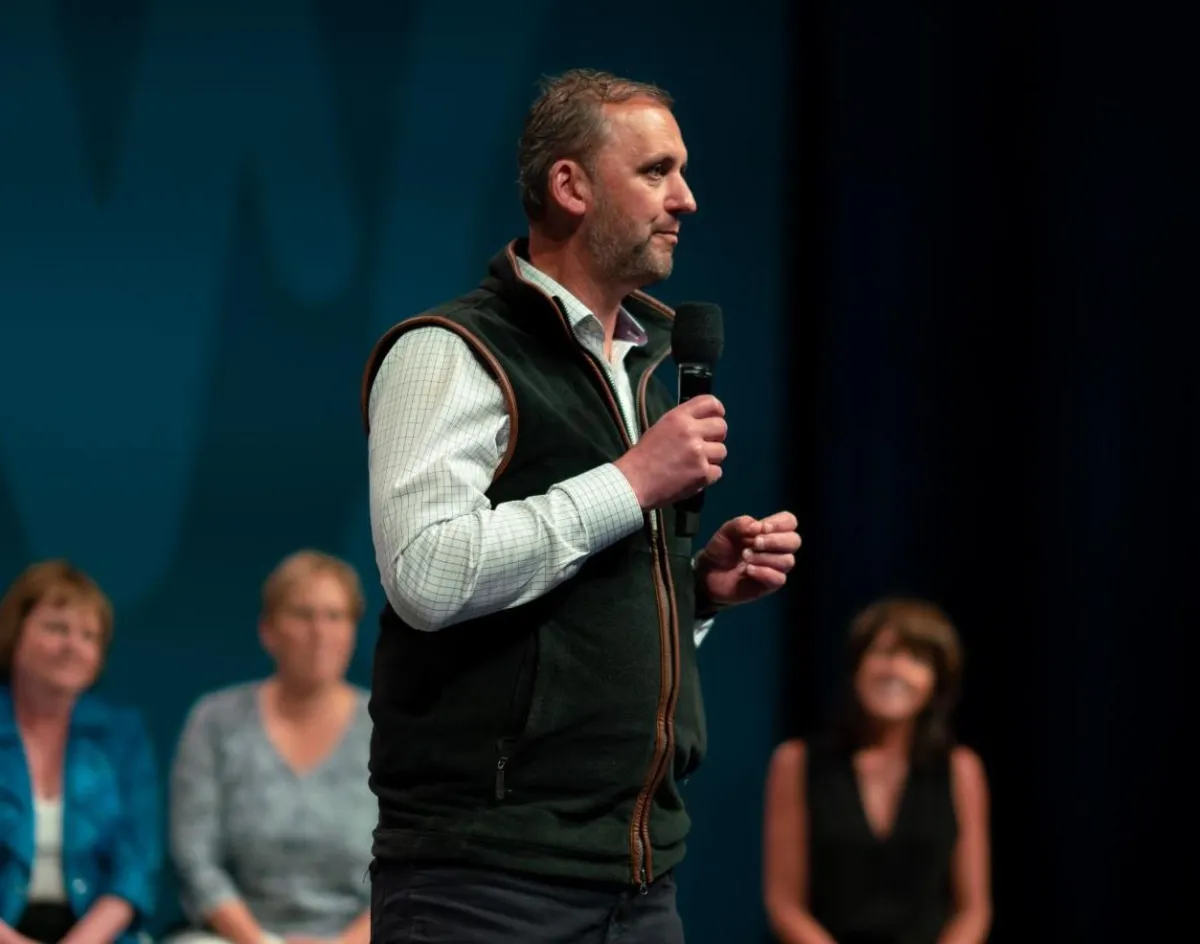
Speaking Event?
Why not hire 'Food & Drink Business Expert'
Mark Turnbull?
If you're looking for a Speaker for an audience of Food & Drink Entrepreneurs, then look no further than Mark who, with over 35 years of food & drink retail business experience, will entertain your audience with a number of presentations, that will both resonate and deliver long term-benefits.
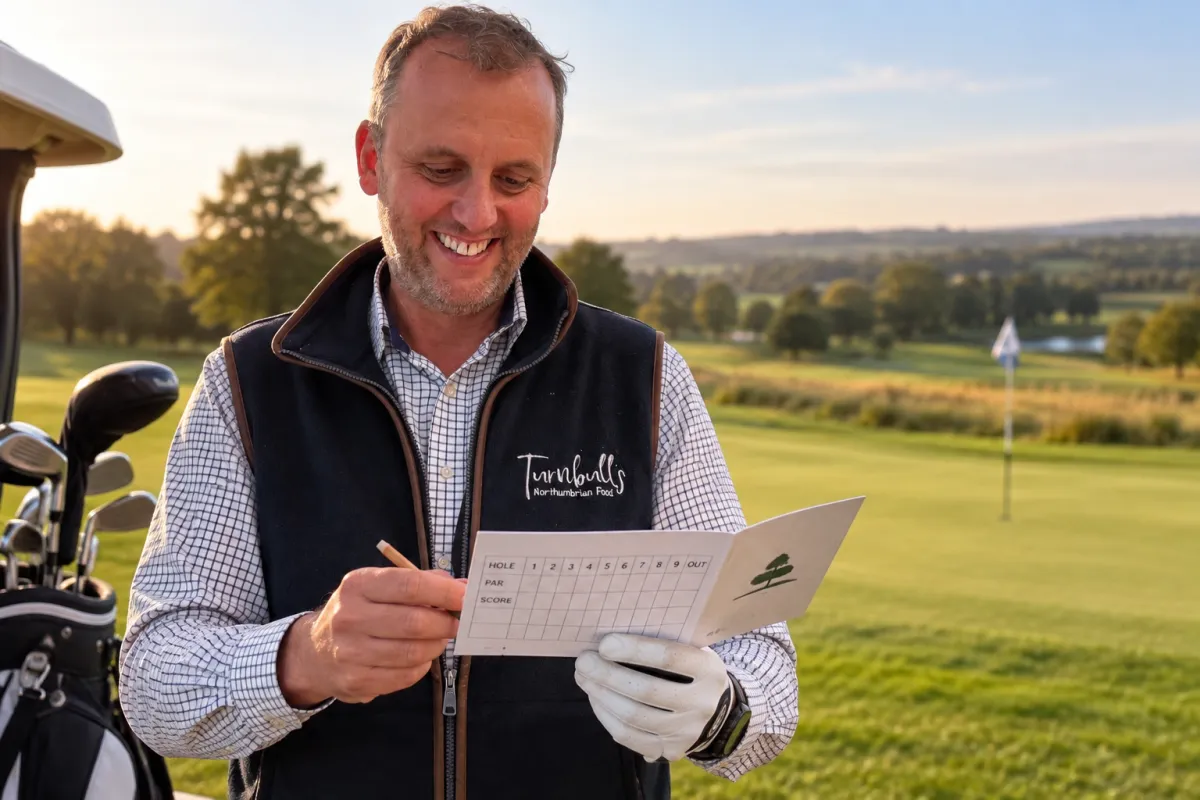
Do You Have a Scorecard for Your Retail Business?
I’m in Majorca this week, enjoying a few days away from the business and playing a bit of golf.
Taking proper time away is important. It gives you a chance to switch off, recharge the batteries and hopefully come back with a clearer head.
But walking around the golf course with a scorecard in my pocket got me thinking about something every butcher, farm shop and independent retailer should have in their business.
A scorecard.
You wouldn't play golf without keeping score
Every time I play golf, I keep score.
Sometimes I wish I hadn’t... but that’s another story!
Without that scorecard, though, how would I really know how I’d played?
I might have a gut feeling. I’ll certainly remember the couple of great holes and I’ll probably try to forget the one where I visited every bunker on the course.
But the scorecard doesn’t care about my selective memory.
It tells me exactly how I performed.
And your business is no different.
A busy shop doesn't necessarily mean a better business
You can finish a Saturday absolutely shattered and think:
That was a great day.
The shop seemed busy. Customers were coming through the door. The tills were ringing and your team barely stopped.
But what do the numbers actually say?
How many customer transactions did you have?
What was your average customer spend?
How many items were customers putting into their baskets?
How do those numbers compare with last week, last month or the same period last year?
If you can't answer those questions, you're relying largely on gut feel.
And while gut instinct has its place in business, it's very difficult to deliberately improve a number you aren't measuring.
What should be on your retail scorecard?
You can measure hundreds of things in a retail business, but that doesn't mean you should.
I'd start with a few numbers that actually tell you something useful.
Customer transactions tell you how many purchases you're putting through the till. Are customer numbers growing, falling or staying roughly the same?
Average transaction value tells you how much each customer is spending. If you can increase that without needing another person through the door, it can make a significant difference.
Average basket size helps you understand how many products customers are buying. Are they coming in for one thing, or are your displays, promotions and team's selling skills encouraging them to buy two, three or four?
Once you start tracking those numbers consistently, you have something incredibly useful.
A starting point.
Now you can try to beat the score
This is where measuring becomes valuable.
You can set a target.
You can run a promotion.
You can change a display.
You can work with your team on suggesting an additional product.
And rather than saying, “I think that worked quite well,” you can look at your scorecard and find out.
Did customer numbers increase?
Did average spend move?
Did customers put more items in their baskets?
Now you're not guessing. You're learning what actually works in your business.
That's why members of the Impact Retail Success Club get quarterly tracking sheets to record these numbers. I want them to be able to look back, compare their performance and identify where the next opportunity might be.
So, what's the score in your business?
Here's the question I'd leave you with.
If I walked into your business tomorrow and asked to see your scorecard, could you show me one?
If not, don't make it complicated.
Pick a handful of important numbers and start tracking them consistently.
Because I can't improve my golf handicap if I don't know what I'm shooting.
And you'll find it pretty difficult to deliberately improve your retail business if you don't know what you're scoring either.
